
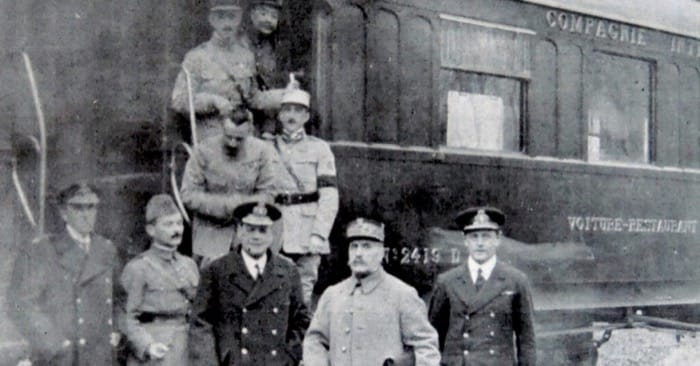
After years of devastating conflict, the guns finally fell silent on November 11, 1918. On that day, the armistice agreed upon by the Allies and Germany took effect, bringing World War I hostilities to a close at 11 am — "the eleventh hour of the eleventh day of the eleventh month."
That Monday, November 11, 1918, brought an end to what had been months of relentless bloodshed. Four years of horrific, senseless loss of life had left the world utterly exhausted. The armistice that was signed put a stop to all military operations across land, sea, and air. Of all the opposing forces in World War 1, the allies and Germany were the final parties to put their signatures on armistice agreements.
What Time Was the Treaty Signed?
Timing played what appears to have been a crucial role in the truce, with it taking effect at the eleventh hour of the eleventh day in the eleventh month in the year 1918. There's an almost poetic quality to that timing, making it a fitting punctuation mark for the end of World war two. You might wonder — who actually won? It was the Allies who emerged victorious, claiming a landmark win over Germany. That said, Germany never officially surrendered, and the manner of their exit from WW1 has a direct impact on the start of WW2.
The Location
Compiegne served as the location for the signing, which is why the agreement came to be known as the Armistice of Compiegne. At 5:45 am, the allied supreme commander, French Marshal Ferdinand Foch, put pen to paper on the treaty. By design, the terms imposed on Germany were severe. The allied forces had deliberately crafted harsh conditions to prevent Germany from backing out of the agreement. Among the stipulations were the release of Allied prisoners, the evacuation of France, the preservation of infrastructure, and the return of territories that the German had seized years before. German prisoners, however, were not to be released.