
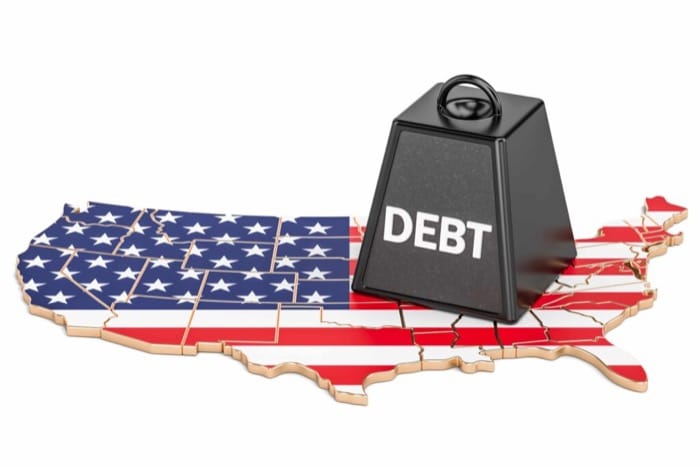
Borrowing money is something governments have done throughout history, and for good reason — unexpected crises and urgent needs become far easier to handle when additional funds are available. So the idea of a nation carrying debt is hardly a recent phenomenon.
The United States found itself in debt from the very beginning, owing to the federal government's decision to absorb the war debts accumulated by individual state governments. Predictably, this became a fiercely contested political matter. Certain U.S. politicians argued that maintaining a national debt could serve as an engine for economic growth. Others among U.S. politicians held the opposite view, insisting that the debt primarily enriched northeastern elites while placing an unfair burden on rural citizens.
Only once in all of American history has the national debt been completely eliminated. That milestone occurred on January 8 of 1835, under the leadership of President Andrew Jackson, a man deeply passionate about wiping the slate clean. Tragically, however, the very measures he pursued to achieve this goal played a role in triggering the Panic of 1837, plunging the nation into a severe depression that persisted until the mid-1840s.
Jackson's aggressive sale of vast quantities of federal land, for instance, inflated a dangerous real estate bubble. On top of that, his decision to dismantle the Second Bank of the United States by refusing to extend its charter removed critical central oversight, opening the floodgates to reckless borrowing and spending. When these factors collided with other domestic and foreign issues, the U.S. economy was devastated. The fallout was staggering — countless businesses collapsed, and nearly half of all U.S. banks failed. Massive unemployment swept the country, fueling widespread social unrest.
All told, the depression dragged on for about seven years. Even so, a true economic boom wouldn't materialize until the California Gold Rush kicked off in the late 1840s.