
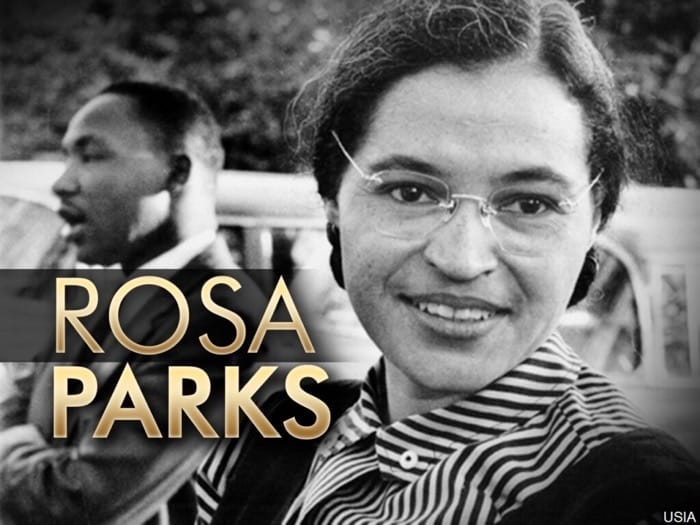
On December 1, 1955, one of the most defining moments in the story of American civil rights unfolded. That evening, a 42-year-old sewist climbed aboard an integrated metro bus in the Alabama state, heading back to the house after an exhausting day at the office. She settled into an aisle seat positioned just behind the section of the bus designated for "white" riders. At the following stop, additional passengers got on. With every chair in the white part now occupied, the coach driver ordered the black travelers seated in the middle row to rise so that a white guy could take a seat. Rosa refused to comply with this directive.
Her defiance came at a steep price. Rosa Parks found herself charged with breaching the Jim Crow Laws and fined ten dollars plus four dollars in court costs. On Monday, December 5, a court found her guilty of disorderly behavior, imposing a fine of $10 along with $4 in court costs. Shortly after, E.D. Nixon — a longtime friend and past president of the Montgomery NAACP branch — contacted her with a bold question: would she permit the NAACP to utilize her case as a vehicle to help abolish segregation? She said yes. Through the process of appealing her conviction, Rosa Parks effectively put the legality of segregation on the table.
By standing firm against a discriminatory regulation that mandated black passengers give up their seats to white passengers who wanted them, Rosa Parks permanently transformed racial relations in the United States. African-Americans have done this before.
What made Rosa Parks the perfect choice was her sterling character, her calm determination, and her unwavering moral conviction — and the community leaders who selected her were proven right. Her arrest sparked an extensive and persistent reaction that rippled through the local community as a whole. As a young Montgomery citizen memorably put it, Montgomery municipal authorities had "messed with the wrong one today." What followed was unprecedented in the country's history: African-Americans in Montgomery launched a 381-day bus boycott, a powerful form of protest against segregation.