
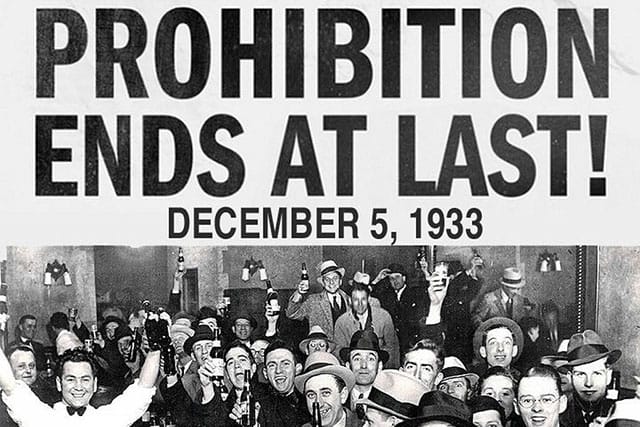
When December 5 arrived, jubilant crowds celebrated the ratification of the 21st Amendment — a landmark change that officially struck down the 18th Amendment's ban on alcohol.
Originally, prohibition had been put in place to ban the manufacture and sale of intoxicating liquors, with the goal of preserving food supplies during World War I. However, repealing the ban came to be viewed as essential, since the consumption of unregulated causes caused the death of tens of thousands of people across the nation.
Overturning the 18th Amendment ushered in a wave of positive transformation nationwide. Adult citizens could once again enjoy the legal freedom to drink, while crime rates dropped and fewer lives were lost thanks to proper regulation of alcohol.
It was a New York socialite by the name of Pauline Morton Sabin who had originally championed prohibition. In time, however, she reversed course and played a key role in bringing prohibition to its end. A major factor behind the repeal was the stock market crash, which ensued in the Great Depression.
With the nation desperate for revenue at this stage, leaders recognized an opportunity to generate funds through an income tax. As a result, relying on revenue from liquor sales was no longer necessary.
Franklin D. Roosevelt ran on a campaign that promised citizens the legalization of drinking. And so, on the 5th of December 1933, the 21st Amendment took effect, serving simultaneously as the repeal of the 18th Amendment.