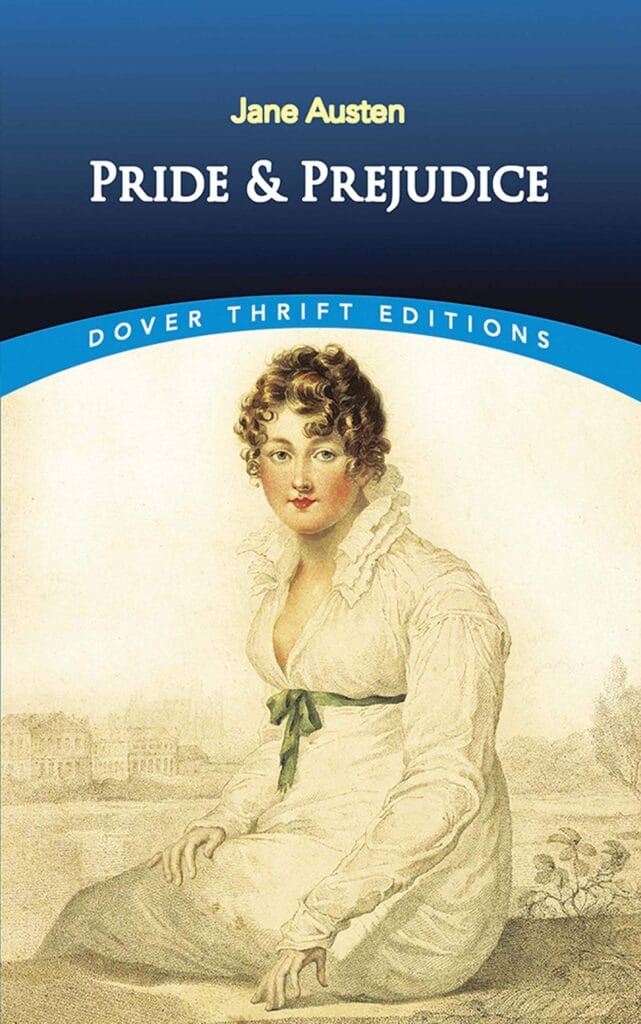
What makes Pride and Prejudice by Jane Austen such a fascinating piece of literary history isn't just the novel itself—beloved by high school teachers everywhere who can't wait for their students to devour it—but also the remarkable journey it took to reach the public.
Before the book hit shelves, its promotion relied almost entirely on word of mouth. In an era dominated by men, Jane Austen turned to her brother, Henry Austen, to champion her upcoming work and generate buzz among potential readers.
Henry Austen happened to be a banker, which gave him something invaluable: access to well-off social circles filled with people who could actually afford to buy books for leisure. He leveraged those connections to get Pride and Prejudice into the hands of a distinguished readership, and through conversation alone, the novel built up an impressive reputation before it ever went to press.
The positive momentum didn't go unnoticed. Thomas Egerton, a bookseller and publisher who had already witnessed the success of Jane Austen's earlier novel, Sense and Sensibility, came forward with an offer to buy the copyright to Pride and Prejudice for 110 euros. For Jane Austen and her brother, this was a welcome relief—no more shouldering the burden of promotion on their own. They accepted the deal, and the book made its way into print.
Within just five months of publication, over a thousand copies had flown off the shelves by July of 1813. The enthusiastic reception prompted Egerton to release a 2nd edition later in 1813, followed by a third edition in 1817. Thanks to the terms of his arrangement with the Austens, Egerton ultimately profited far more from Pride and Prejudice than Jane Austen ever did.
In the grand scheme of things, Pride and Prejudice went on to sell an astonishing 20 million copies over the centuries that followed. And while Jane Austen never received any awards for her writing during her lifetime, her influence on literature endures powerfully to this day.