
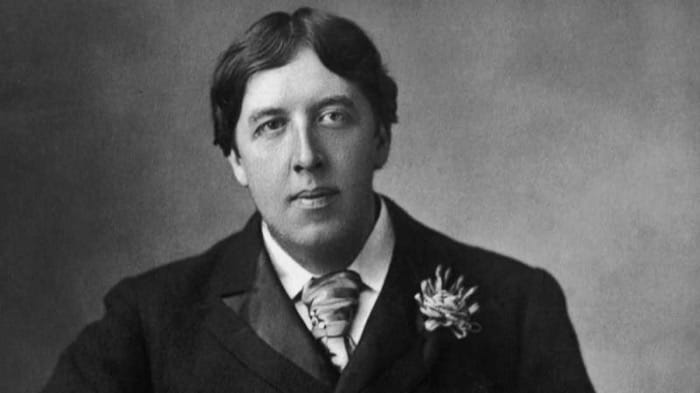
On November 30, 1900, the world lost Oscar Wilde — a towering Irish intellectual of the 19th century whose legacy has endured ever since.
His literary works continue to enjoy widespread recognition today. Yet Wilde is equally remembered for something far more troubling: a criminal conviction for homosexual acts that many regard as one of the earliest instances of a celebrity trial.
Born into a family of Anglo-Irish intellectuals, Wilde demonstrated remarkable academic talent from an early age, ultimately distinguishing himself as a brilliant classicist. But scholarship wasn't his only passion — he also gravitated toward aestheticism, an art movement that prized aesthetic beauty above socio-political messaging in creative work. This philosophy stood in stark opposition to the prevailing Victorian conviction that ethical considerations should be central to the arts. Upon graduating from Magdalen College, Oxford, Wilde slipped effortlessly into London's cultural elite.
What followed was an extraordinarily varied career. He took to the lecture circuit, penned plays, and even produced a novel, The Picture of Dorian Gray — though it's worth noting he also authored several shorter stories. With his razor-sharp wit, captivating conversational gifts, and flamboyant fashion sense, Wilde naturally rose to become one of the late Victorian era's most celebrated public figures.
The seeds of his ruin were sown through his involvement with Lord Alfred Douglas, whose father, John Douglas, 9th Marquess of Queensbury, deeply disapproved of the relationship. Things reached a breaking point when John Douglas branded Wilde a "posing Sodomite," prompting Wilde to pursue a criminal libel case. The gamble backfired disastrously — Queensberry's legal team unearthed extensive evidence of Wilde's homosexual activities, eventually revealing they had located several male prostitutes prepared to testify against him. Faced with this, Wilde abandoned the lawsuit.
But Queensbury wasn't finished. He successfully pursued a counterclaim to recover his legal expenses and, going further still, forwarded all the accumulated evidence to Scotland Yard. The consequences were devastating: Wilde received a sentence of two years' hard labor for gross indecency.
Though Wilde endured his imprisonment, he emerged a broken man — his health deteriorated and his finances in ruins. He briefly reunited with Douglas before succumbing to meningitis while living in exile on November 30 of 1900. His death might have been connected to a ruptured eardrum suffered when he fell from illness and hunger in prison.