
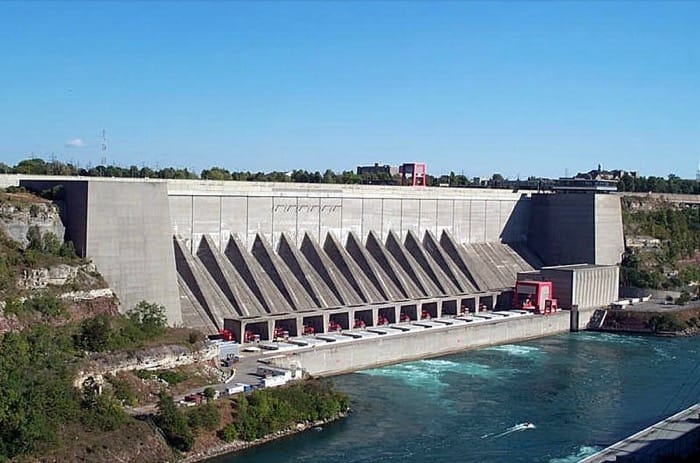
Each year, approximately twenty-two million tourists make their way to Niagara Falls in New York, drawn by the sheer majesty of this natural spectacle. The name itself likely derives from the Iroquois word niakare, which translates to "great noise" — and it's easy to see why, given that two trillion liters of water surge through the falls every hour. That staggering volume of rushing water captivated the imaginations of inventors and scientists alike, who couldn't help but ask: what if all that raw power could be captured and converted into electric currents and energy?
Among those visionaries was Nikola Tesla. Back in 1875, while still a student, Tesla began exploring the potential of alternating current. In his autobiography, he reflected on water turbines and recalled the moment he first heard a description of Niagara Falls, writing, "I pictured in my imagination a big wheel run by the Falls."
He went on to declare to an uncle that someday he would journey to America to "carry out my scheme."
True to his word, Nikola Tesla arrived in America in 1884. What followed was a string of setbacks — he lost all his possessions during the Atlantic crossing, was forced to dig ditches for $2 a day, and endured a turbulent collaboration with Thomas Edison. Despite it all, Tesla ultimately joined forces with George Westinghouse, and together they constructed the first hydroelectric power plant harnessing the waters at Niagara.
By November of 1896, the Niagara Falls Power Company was delivering electricity to Buffalo, New York. During the company's opening ceremony, Nikola Tesla delivered these stirring words:
"We have many a monument of past ages; we have the palaces and pyramids, the temples of the Greek and the cathedrals of Christendom. In them is exemplified the power of men, the greatness of nations, the love of art and religious devotion. But the monument at Niagara has something of its own, more in accord with our present thoughts and tendencies. It is a monument worthy of our scientific age, a true monument of enlightenment and of peace. It signifies the subjugation of natural forces to the service of man, the discontinuance of barbarous methods, the relieving of millions from want and suffering."
What the power plant ushered in was nothing short of a "modernization" of urban life, bringing street lights, public transportation options, and much more to cities. By daring to take that risk, Tesla and Westinghouse ignited a "revolution" that would fundamentally reshape the world.