
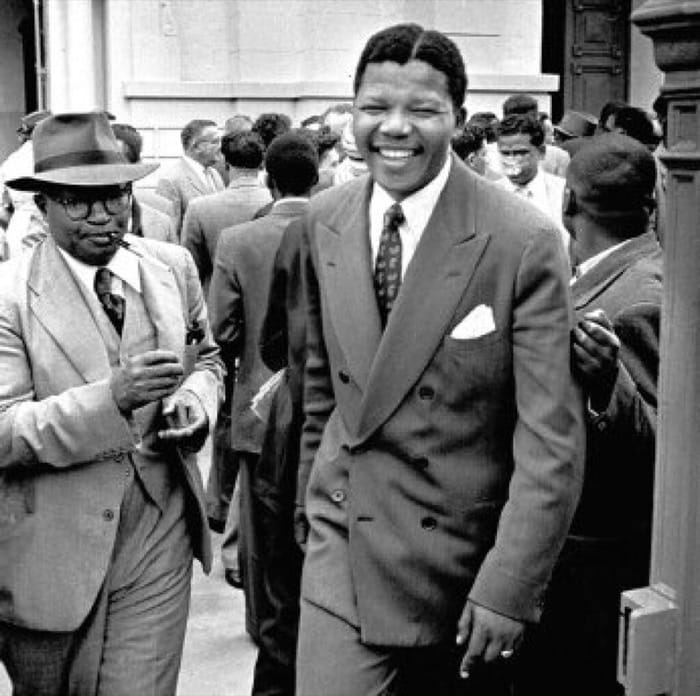
The acquittal of Nelson Mandela on treason charges on March 29, 1961, marked a pivotal moment in South Africa's long battle against apartheid. After enduring a trial that had dragged on for more than four years, Mandela walked out of the courtroom a free man. But this wasn't simply a personal legal triumph — it represented a powerful symbolic win for the African National Congress political party in its broader fight against the apartheid state.
Established in 1912, the African National Congress — known as the ANC — had long carried a mission centered on protecting the rights and freedoms of all Africans. Nelson Mandela rose to become president of the ANC Youth League in 1950, the very same year the South African government dramatically escalated its apartheid policies. In response, the ANC demanded an end to apartheid and every form of racial discrimination. The government's answer was swift and harsh: the following year, Nelson Mandela, along with more than 150 other individuals with ties to the ANC, found themselves under arrest, facing charges of treason.
The arrests sparked protests that swept across the country. Mandela was moved to a jail in Pretoria, where his prolonged and brutal treatment only deepened his resolve to keep fighting. Ultimately, despite everything the government threw at him, he was found not guilty of the treason charges. Upon his release from prison, rather than retreating, he went underground — organizing a strike and supporting the work of the ANC, which had by then been declared illegal. Though decades of struggle still lay ahead, the movement he championed would ultimately bring about the end of apartheid in South Africa.