
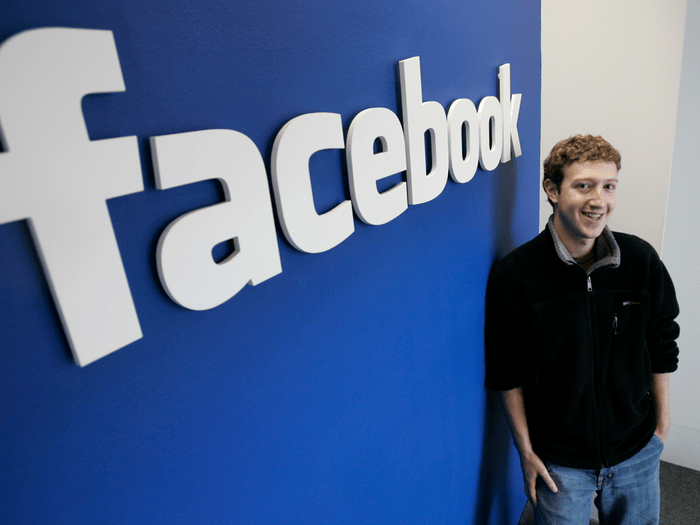
What began as a dorm room project on February 04, 2004, would go on to reshape how the world connects. Mark Zuckerberg, then a sophomore psychology major, unveiled "The Facebook" from his college dormitory — but this wasn't exactly his first rodeo when it came to building social platforms. Already an enthusiastic computer programmer, Zuckerberg had previously created two other websites: CourseMatch and FaceMash. CourseMatch served an academic purpose, helping students discover peers enrolled in the same degree program. FaceMash took a decidedly different direction, giving users the ability to rate how attractive other people were.
Where CourseMatch and FaceMash had fallen short, The Facebook struck gold. In just 24 hours after going live, more than 1,200 Harvard coeds had signed up and built profiles. By the end of its first month, over half of the undergraduate student body had become members. The platform's reach grew rapidly over the following year, spreading to other Ivy League colleges and universities across the United States. Then, in 2005, the site shed "The" from its name and became simply Facebook — the name we know today as its current iteration.
While Mark Zuckerberg tends to get the lion's share of credit for Facebook, he didn't build it alone. The website was co-founded by Zuckerberg alongside his college roommates: Eduardo Saverin, Andrew McCollum, Dustin Moskovitz, and Chris Hughes. Facebook took a major step in February 2012 by filing as a public company, boasting an initial market value of $102.4 billion. Later that year, in October 2021, the company rebranded its parent organization as Meta Platforms, signaling a strategic pivot toward building a virtual reality environment. As of 2021, Facebook held its position as the largest and most influential social networking and media site on the planet, with 2.6 billion active monthly users.