
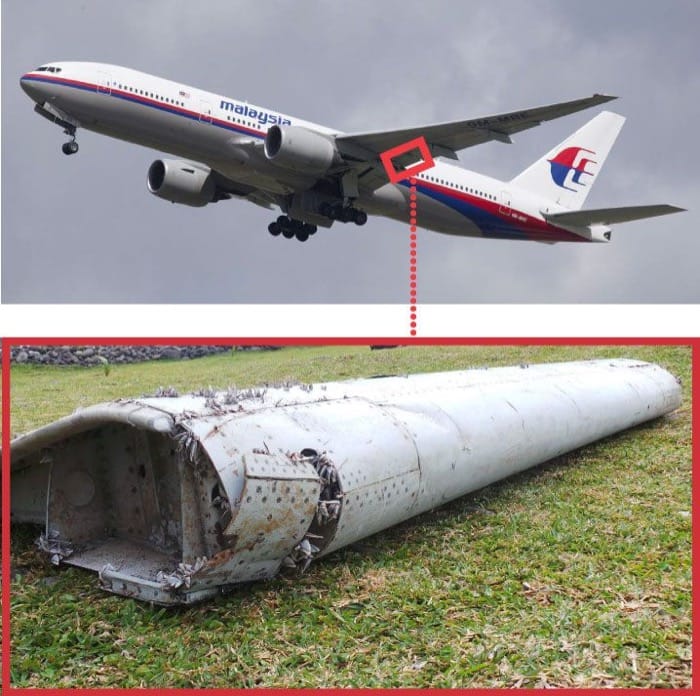
On the morning of March 8, 2014, Malaysia flight MH370 was set to leave Kuala Lumpur, Malaysia, at 12:45 am, with an expected landing in Beijing, China, at 6.30 am. The Boeing 777 passenger jet was 11 years old and had a clean mechanical record with no previously reported issues. A crew of 12 Malaysian citizens staffed the aircraft, led by pilot in command Zaharie Ahmad Shah, a 53-year-old veteran with over 18,000 hours of flight time. Alongside him sat 27-year-old co-pilot Fariq Abdul Hamid, who was still in training and had logged 2,700 hours of flight experience. Beyond the flight crew and other staff members, 227 passengers were aboard the plane.
Air traffic control gave the flight clearance at 12:42 am to climb to an altitude of 18000 feet. Initially, nothing seemed out of the ordinary. Then, at 1:06 am, the aircraft transmitted what would turn out to be its last automated position report. A mere 37 minutes after departure, Kuala Lumpur issued a final communication to the flight, instructing the crew to transition into Vietnam airspace. As the plane crossed over the Gulf of Thailand, it abruptly disappeared from radar screens in both Kuala Lumpur and Ho Chi Minh city.
Without warning, the aircraft executed a right turn, then veered left toward the southwest, passing directly over the Malay Peninsula. Its last known position was tracked above the Indian Ocean. When the plane failed to arrive in Beijing — more than an hour past its scheduled landing — Malaysian authorities disclosed that contact had been lost and launched a search and rescue operation. As of today, only scattered debris from the aircraft has ever been found. The mid-flight vanishing of the plane, coupled with the absence of any definitive explanation, stands as aviation's greatest unsolved mystery.