
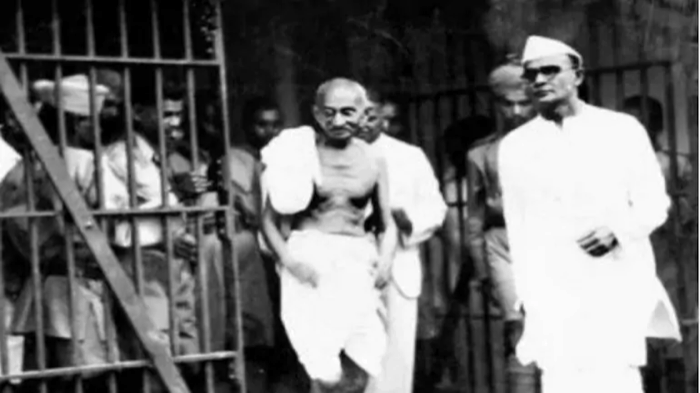
Most people are familiar with Mahatma Gandhi's tireless struggle for Indian independence, yet the origins of that lifelong mission remain less well known. It all started in 1893, when a reserved young lawyer by the name of Mahatma Karamchand Gandhi traveled to Durban, South Africa, taking on a racial discrimination case on behalf of Messrs Dada Abdullah's firm. That very year, a deeply personal encounter with racism would set him on a path that altered history.
On June 7, 1893, Gandhi was thrown off a train in Pietermaritzburg, South Africa — ejected from a carriage reserved exclusively for white passengers. Reflecting on that moment later, he described facing a stark choice: he could steel himself, confront the injustice head-on, and press forward with the case. Or he could simply surrender and return home to India.
He chose to stay and fight. In the year that followed, Gandhi established the Natal Indian Congress and shifted decisively toward political leadership. His efforts centered on mobilizing the Indian community in South Africa to stand up for their rights. By 1906, he was at the forefront of Indian opposition to the Transvaal Asiatic Law Amendment — a struggle that became known as the 1906 Satyagraha Campaign.
That movement stretched on for six years, marking the dawn of Mahatma's philosophy of passive resistance across multiple causes in South Africa. Ultimately, he wrote that he faced a fundamental decision: resort to violence, or discover an alternative approach that could still achieve meaningful results.
Beyond political resistance, Gandhi devoted himself to bridging divides among Indians of every caste and religion, urging them to unite behind a shared purpose — a challenge that would prove equally daunting upon his return to India. On November 6, 1913, Mahatma led mine workers in a protest against a bill that would have forced formerly indentured laborers to pay tax. This act of defiance resulted in his arrest. Undeterred, he rejoined the protest after being released on bail, only to be arrested a second time.
Ultimately, Gandhi and his fellow protesters prevailed in their campaign against the Indian Relief Bill. Discover more about historical freedom movements here.