
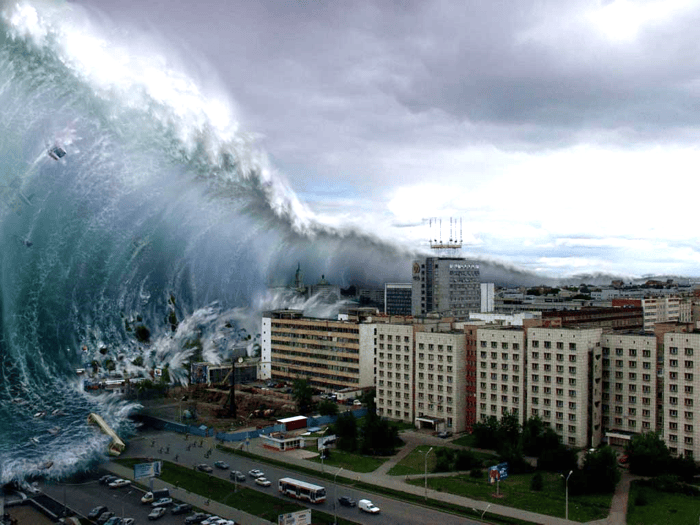
A massive tsunami surged across the Indian Ocean in 2004, slamming into coastlines throughout South and Southeast Asia. The sheer scale of destruction and human loss inflicted by the tsunami and its aftermath along the Indian Ocean coast was staggering.
December 26, 2004 — at approximately 7:59 AM local time — an undersea earthquake struck off the coast of the Indonesian island of Sumatra, registering an estimated magnitude of 9.1. What followed over the next seven hours was a cascading series of enormous ocean waves that radiated outward across the Indian Ocean, ravaging coastal communities and reaching as far as the coastlines of East Africa. According to some sites, the waves had reached an estimated height of 9 meters or more by the time they slammed into shore.
The toll was almost incomprehensible: an estimated minimum of 225,000 lives lost and millions of homes leveled across eighteen nations. Indonesia bore the heaviest burden by far — officials there estimated that the country's death toll ultimately approached 200,000, with the province of Aceh (northern Sumatra) accounting for the vast majority.
Tens of thousands were reportedly killed or unaccounted for in both India and Sri Lanka, with a huge number of those casualties concentrated in the Nicobar Islands region and the Indian Andaman Islands. The Maldives, a low-lying archipelago island nation, reported well over a hundred deaths along with missing persons and significant economic losses. Thousands of non-Asian visitors who had been in the area were also reported missing or killed.
Relief efforts faced enormous obstacles that only deepened the human cost. Clean water, food, and medical treatment were in desperately short supply, while aid workers struggled with the monumental task of reaching remote areas where roads had been destroyed or where civil war was ongoing — all of which extended the growing list of victims.
The environmental toll proved equally devastating over the long term. Villages, tourist destinations, farmland, and fishing grounds were obliterated or inundated with debris, bodies, and plant-killing saline water, leaving behind widespread ecological ruin.