
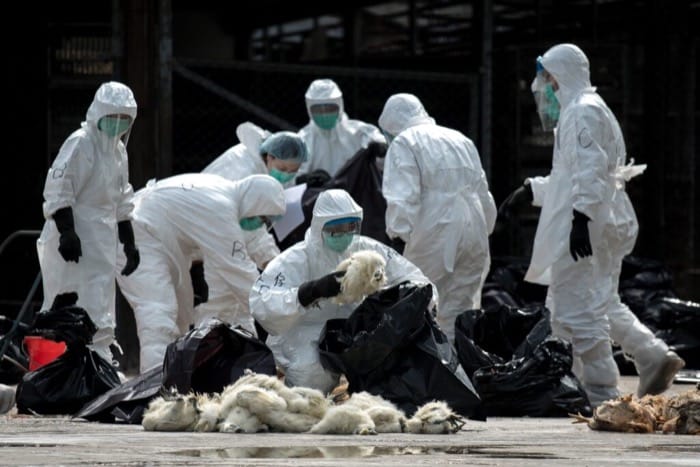
On December 29, 1997, authorities in Hong Kong launched a sweeping culling operation targeting 1.2 million chickens in an effort to halt the spread of Bird Flu. The drastic measure was a direct response to a mysterious illness that had already claimed four lives. No flock was exempt — whether commercially raised or kept by families, every chicken had to go. At smaller operations, vendors could be seen slitting their birds' throats, while larger-scale farms resorted to gassing entire flocks.
The 24-hour blitz against what was suspected to be influenza virus A H5N1 proceeded smoothly, and it wasn't just chickens on the chopping block — ducks, geese, and quails were all included in the mass cull. Although the virus had plagued poultry populations for years, it had never before made the jump to humans. Interestingly, not everyone who contracted Bird Flu showed symptoms; some individuals developed antibodies and recovered completely. In the meantime, the government issued orders prohibiting vendors from selling any birds until they could be verified as safe for consumption.
The vendors themselves remained unaffected by the illness. Once the birds were killed, their carcasses were sealed in plastic bags and hauled off to government-owned landfills for disposal. Despite extensive investigation, scientists were unable to pinpoint the precise way the disease was being transmitted. In a surprising twist, many vendors and business owners actually welcomed the mass slaughter of their flocks.
Their reasoning? Chicken sales had been lagging far behind other meats such as pork and beef. Restaurants whose menus centered on chicken dishes echoed this sentiment, pointing out that the cost of keeping the birds alive had become a financial burden — making the cull a preferable outcome. And it wasn't a complete financial blow, either: the government moved to draft emergency legislation that would compensate farmers, vendors, and other affected parties at a rate of $3.85 per bird.