
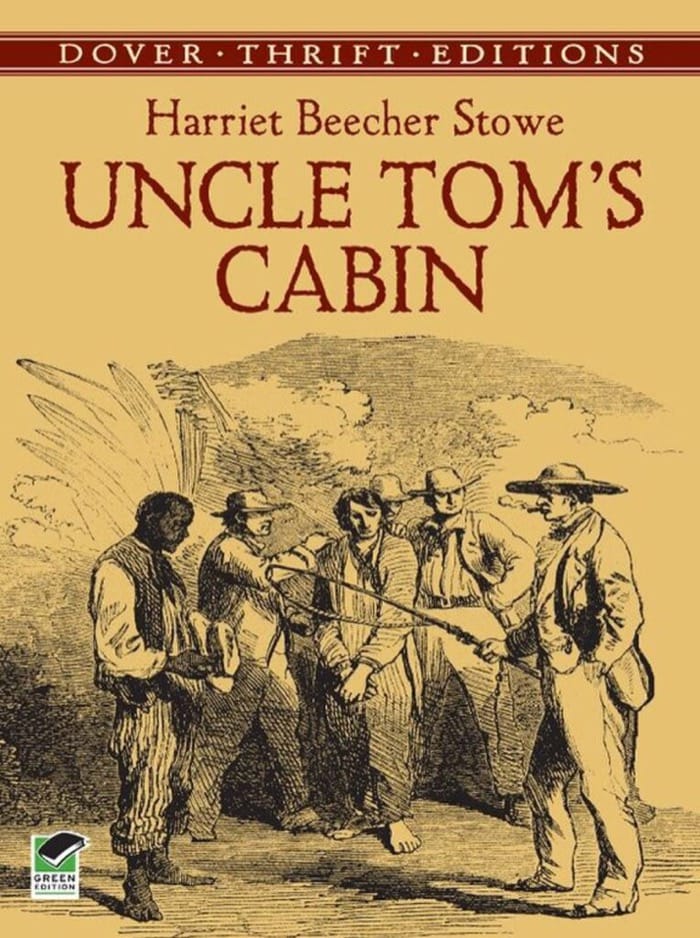
It was on March 20, 1852, that Harriet Beecher Stowe unleashed her powerful anti-slavery novel upon the world. Spanning two volumes, the work painted a harrowing picture of slavery's brutal realities through the experiences of Uncle Tom, an enslaved African-American man who served as the story's central figure.
What made the book so profoundly impactful at the time was its insistence on portraying enslaved African-Americans as fully human — and in doing so, it exposed the fundamental denial of humanity that slavery demanded. The underlying logic was straightforward: stripping people of their humanity made it far easier to subject them to inhumane treatment. Stowe, a Cincinnati-born woman of English descent, deliberately wielded her social standing and privilege as tools to confront the deep-rooted dehumanization that had allowed slavery to persist as a socially and culturally accepted institution.
There's no question the novel landed with force. Its impact was so substantial that many credit it with fueling the growth of the anti-slavery movement, which ultimately helped set the stage for the Civil War. That said, the work and the broader context surrounding it invite justifiable critique. Uncle Tom's Cabin gave rise to a number of racial stereotypes about African-Americans, and over time, the name "Uncle Tom" — or even just "Tom" — evolved into an epithet.
What may be most significant, though, is what the novel's success reveals about the era itself. That the anti-slavery movement failed to build real momentum until a white woman lent her voice to the cause speaks volumes about prevailing attitudes and the staggering extent to which enslaved African-Americans were dehumanized.
Throughout the entire history of slavery's existence and implementation, both enslaved and later free African-Americans had raised their voices in opposition and actively resisted its horrors. Yet their testimony and lived trauma failed to carry widespread weight until white abolitionists entered the fight and amplified their truths.