
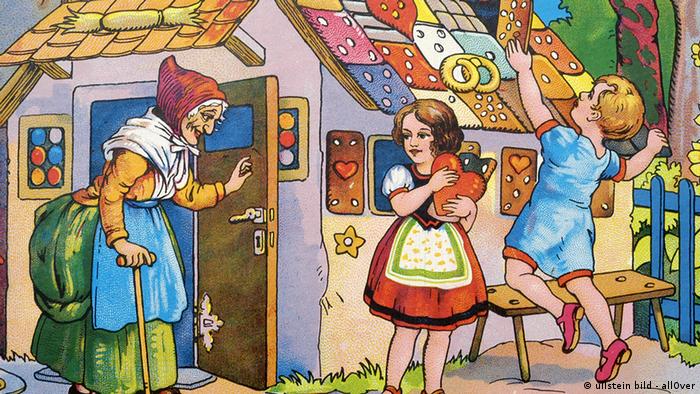
A pair of German siblings, celebrated for their retellings of fairy tales — many of which were steeped in darkness and cruelty — brought forth the lesser-known Kinder-und Hausmarche, the German-language edition of Children's and Household Tales.
Jacob and Wilhelm Grimm debuted this beloved collection of children's stories on December 20, 1812, and it would go on to earn worldwide recognition as Grimm's Fairy Tales. That first 1812 edition featured 86 stories, introducing readers to iconic fictional figures like Cinderella, Snow White, Rapunzel, and Little Red Riding Hood. By the time the 11th edition rolled around, the collection had swelled to include 211 unique children's stories.
For the brothers, Grimm's represented a mission to safeguard tales that might otherwise vanish into the dustbin of history. That said, the original versions were far from the enchanting retellings we know today. Packed with graphic and unsettling imagery clearly aimed at more mature readers, these stories pulled no punches. Consider the original Cinderella: in that version, the wicked stepsisters have their eyeballs pecked out by the very birds that helped Cinderella make it to the ball. Thankfully, subsequent writers gradually stripped away these gruesome elements over time. It's also worth noting that Jacob Grimm and Wilhelm Grimm did not always publish similar stories.
The Grimms' grim tales found favor with the Nazis, who frequently weaponized them to bolster their racist and nationalist supremacy ideologies. What initially sparked Jacob and Wilhelm's storytelling ambitions was their work as librarians in Kassel. Friends of theirs played a key part as well, urging the brothers to put pen to paper and record the tales they had gathered from friends and family.
Later in life, the brothers received a commission to compile a German dictionary — a project they would never finish, as both passed away before its completion.