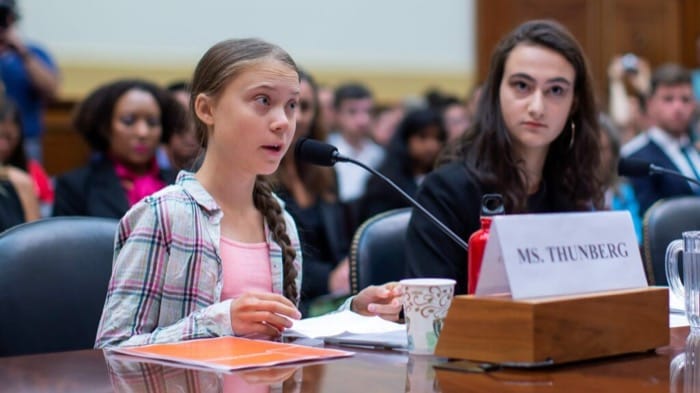
On January 3, 2003, in Stockholm, Sweden, Greta Thunberg came into the world — a child who would grow up to become one of the most recognized environmental activists on the planet. Dedicated to the fight against global warming, she launched the Fridays for Future campaign in 2018 (also called School Strike for Climate), sparking a global youth movement.
At a young age, Greta received a diagnosis of Asperger syndrome, a form of autism that falls on the autism spectrum (ASD). The condition is characterized by difficulties in social interactions — similar to typical autism — while leaving intellect and language development unaffected. One hallmark of Asperger syndrome is an intense hyperfocus on a particular subject or interest, and for Thunberg, that subject was climate change. She first learned about the crisis when she was around eight years old, and it wasn't long before she began transforming her own lifestyle in response. She adopted a vegan diet and stopped flying, since both animal agriculture and air travel release enormous amounts of greenhouse gasses that fuel global warming.
Wanting to make a bigger impact, Thunberg set out to persuade parliamentarians to take action on climate change. In the weeks leading up to the Swedish election in September 2018, she skipped school for over three weeks, stationing herself outside parliament with a sign that read "Skolstrejk för Klimatet" (School Strike for Climate). That first day, she stood alone — but in the days that followed, growing numbers of people joined her, and her story quickly captured attention around the world.
Once the election concluded, Thunberg went back to her classes — but she didn't stop striking entirely. Instead, she continued her protests every Friday, a practice that became known as Fridays for Future. Her example proved contagious: many thousands of students across the globe drew inspiration from her stand and organized their own Fridays for Future events.
Beyond her environmental work, Thunberg earned recognition for raising awareness of Asperger's syndrome and serving as a source of encouragement for others living with the condition. She was candid about the ways Asperger's had held her back in certain areas, but she was equally vocal about its advantages. As she once tweeted: "I have Aspergers, and that means I'm sometimes a bit different from the norm. And—given the right circumstances—being different is a superpower."