
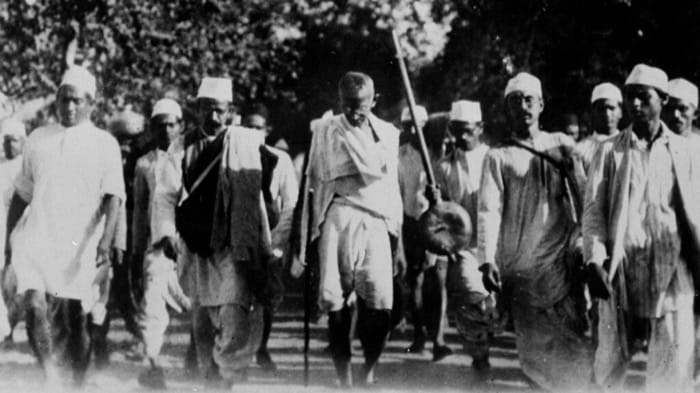
On Feb 2, 1947, just six months prior to India achieving Independence, Mahatma Gandhi set in motion his peace campaign through nonviolent action. What drove this effort was the wave of mass murder targeting both Muslims and Hindus that had erupted during the Direct Action Day violence. Mahatma Gandhi had repeatedly traveled to the most riot-prone zones, personally urging people to put an end to the massacres. Though his campaigns proved effective and most of the massacres did cease, Mahatma Gandhi's nonviolent direct action campaign had a broader ambition — to organize and rally more Indians against socioeconomic authoritarianism and race-based laws.
Throughout his life, Mahatma Gandhi dedicated himself to combating three great evils: British rule, Hindu-Muslim disunity, and Hindu tradition. These issues stood at the heart of his March for Peace campaign, which featured strikes alongside other peaceful acts of civil disobedience. Although the British government didn't always respond peacefully, Mahatma Gandhi consistently called on Indians to refrain from violence. Over time, however, frustration mounted and Indians began rioting, ultimately forcing Mahatma Gandhi to call off the protests altogether.
After prolonged struggles and fights for Independence, Britain at last granted India the independence its people had so deeply desired. Yet the Britain Government carved the nation into two — Muslim in Pakistan and Hindu-majority in India. Even before this division took place, Mahatma was firmly opposed to splitting India into two separate nations, since Hindu-Muslim disunity ranked among the evils he considered greatest. This conviction drove him to work toward halting the Hindu-Muslim conflict in Bengal that had sprung from the division of the British Indian Empire. Tragically, his policy and determination to end the Hindu-Muslim war ultimately led to his assassination at the hands of a Hindu fanatic in Delhi.