
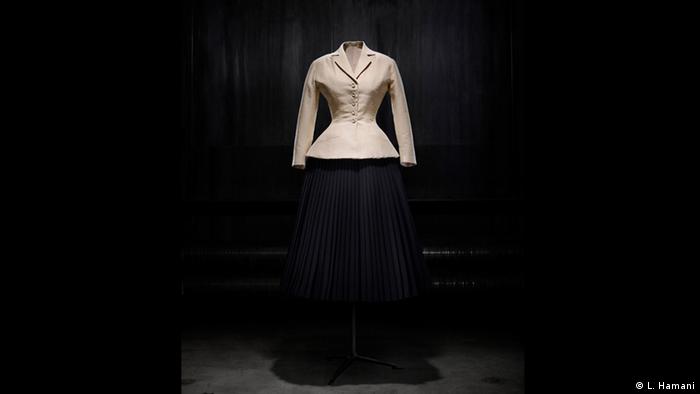
On Feb. 12, 1947, the legendary fashion designer Christian Dior unveiled his very first collection to the world in Paris — and the fashion landscape would never be the same. Almost instantly, the collection earned the nickname the "New Look," a fitting label given how sharply it broke from the modern fashion sensibilities that had taken hold during the 1920s and 30s. It also stood in stark contrast to the practical, utilitarian clothing that had defined the 1940s.
What drove Dior was a desire to bring back an era when women dressed with lavish extravagance and embraced glamour wholeheartedly. His vision was essentially a nostalgic cry for prosperity and the good old days — and it resonated powerfully, attracting women spanning multiple generations and social classes.
Still, the New Look had its vocal critics. With its hip padding, pleats, draperies, embellishments, and countless other exaggerations, some viewed Dior's designs as a step backward for women everywhere. Detractors argued that the long skirts and corsets restricted women's freedom, stripping away the independence they had fought for and earned during World War II. Perhaps no one captured this sentiment more memorably than Coco Chanel, who quipped, "Dior doesn't dress women, he upholsters them."
Critics also pointed out that the return of corsets carried a deeper symbolism — it represented women being pushed back into the home after working in hospitals, factories, and offices. Beyond that, the lavish fabric featured in his designs signaled that government restrictions on materials had come to an end. During the 1930s, the Depression had effectively erased fashion distinctions between rich and poor women, but Dior's exclusive New Look drew those class lines all over again.
Dior passed away in 1957, and by the early 1960s, the New Look had disappeared from the house of Dior collections entirely. Yet fashion has a way of circling back — the iconic style enjoyed a revival in the 1990s and once more in the early part of the 21st century.