
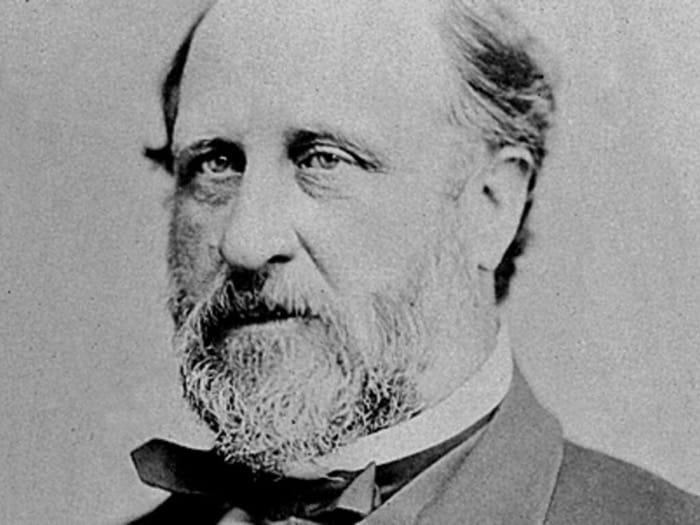
In the landscape of 19th-century American politics, a handful of powerful individuals pulled the strings. William Magear Tweed stood out as one of the most prominent politicians of the era. Commonly referred to as Boss or Boss Tweed — a nickname connected to his alternate name, William Marcy Tweed — he rose to become the head of Tammy Hall, a political party wielding enormous influence over the political scene. Shrewd yet deeply corrupt, William Tweed amassed tremendous wealth, which included ownership of large tracts of land.
Headlines erupted on December 4, 1875, when Mr. Tweed pulled off a dramatic prison escape. His incarceration stemmed from a conviction for embezzling funds from state and city contracts — a scheme that siphoned off millions of dollars and originally landed him a twelve-year sentence. Yet the justice system proved no match for a man of his resources; Mr. Tweed managed to get that punishment slashed to just one year. Even his time behind bars was far from typical — he outfitted his cell with luxury furniture and went so far as to organize a library in his room to occupy his time.
Not long after walking free, though, Mr. Tweed found himself back in custody on additional charges. This time, he was sent to serve his sentence at Ludlow Jail, and it was from there that he launched his bid for freedom. His taste of independence proved fleeting, however — after fleeing from Cuba to Spain, he was briefly arrested and brought back into custody. Upon his return, Mr. Tweed had to contend not only with his original legal troubles but also civil charges tied to his escape. Fortune did not smile on him again; he would spend the remainder of his days imprisoned, ultimately passing away in 1878.