
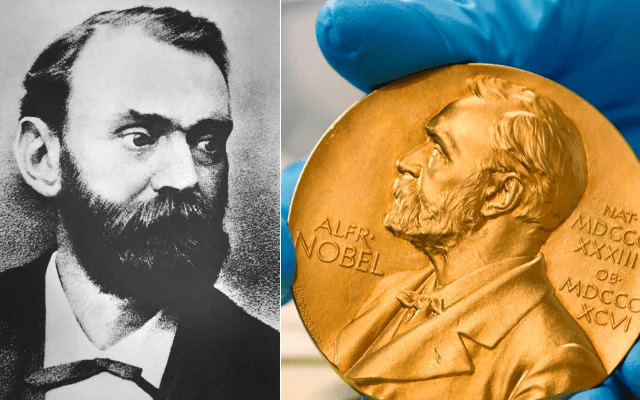
Swedish chemist, inventor, philanthropist, and businessman Alfred Nobel left an extraordinary mark on the world — though not always in the way he originally intended. Over the course of his lifetime, Nobel accumulated an impressive 355 patents. Among his most notable creations was dynamite, patented in 1867, which went on to be widely adopted around the globe for mining and infrastructure development.
Everything changed in 1888, when a French newspaper accidentally ran an obituary for Nobel — while he was still very much alive. The piece was harshly critical, condemning him for having invented dynamite. Shaken by the prospect of such a damning legacy, Nobel took secret action, revising the statement in his will. In this updated version, he directed that the bulk of his fortune be used to fund what would become the Nobel Prize, an award reserved exclusively for those who "have conferred the greatest benefit to humankind during the preceding year."
When Nobel passed away on November 27, 1895, the revelation of his will's contents sparked international controversy. It would take another five years before the first Nobel Prize was finally bestowed in 1901. From that point forward, the award has been given out annually across the fields of Chemistry, Physics, Physiology, Literature, Medicine, and Peace. More than 900 individuals have received the honor, with recipients including Albert Einstein, Rev. Martin Luther King Jr., and President Barack Obama.