
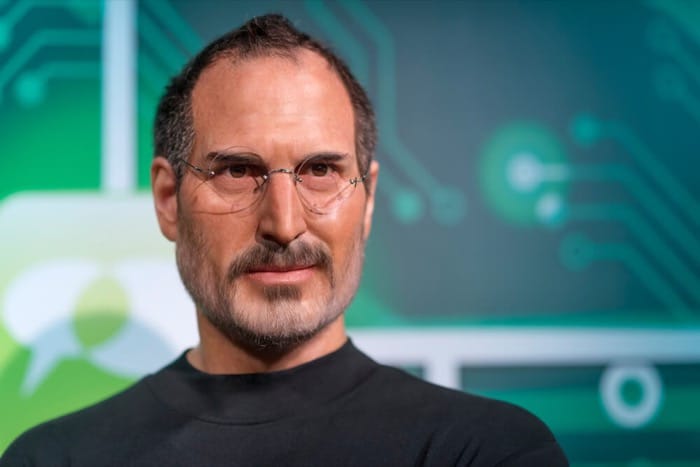
On September 16, 1997, Steve Jobs stepped back into the leadership role at the very company he had helped create, taking on the title of (Interim) CEO of Apple Computers after the firm acquired NeXT Inc.
Back in 1976, Steve Jobs and Steve Wozniak had joined forces to launch Apple computers.
However, by the mid-80s, Jobs had departed to pursue other projects, and Apple found itself struggling to maintain relevance in the rapidly expanding home computing market. Despite offering technologically superior products, the company hemorrhaged market share to Microsoft due to ill-advised business decisions and an insistence on keeping both hardware and software development under its own roof. Microsoft, by contrast, took a different approach — licensing their software commercially so that an infinite number of companies could manufacture compatible hardware.
Apple recognized that absorbing NeXT brought more than just a product line — it brought Steve Jobs himself, whose marketing genius and vision could potentially help the company claw back its market share. His influence was felt immediately upon his return. Jobs streamlined Apple's product offerings, leveraged NeXT technology to completely overhaul their operating system, and set to work developing revolutionary products that would change computing forever.
The combination of high-quality products and memorable marketing campaigns became Jobs' signature approach, and it paid off tremendously well for Apple. The iMac drove a resurgence in home computing market share, while the iPod and the iTunes Store completely revolutionized how modern music was sold, stored, and distributed.
Arguably the crowning achievement came in 2007 with the introduction of the iPhone. This groundbreaking device merged the capabilities of a cellular telephone and a personal computer into a single product, boasting a fully functional touch screen display along with the storage and playback capabilities of an iPod.
In 2011, Steve Jobs passed away from complications related to a pancreatic tumor.