
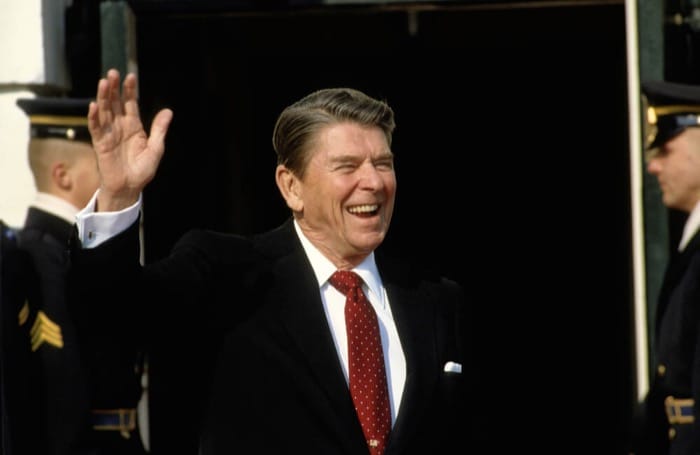
When Ronald Reagan stepped up to declare war on drug abuse on October 14, 1982, he framed the use of illicit substances as nothing less than a threat to national security. He wasn't the first occupant of the Oval Office to tackle substance abuse head-on — Nixon had already built a reputation for being tough on drugs — but Reagan's time in power ushered in an unprecedented expansion of anti-substance policies that would reshape the nation's approach for decades.
For some time, public anxiety about drug use had been mounting across the country. Reagan zeroed in on eliminating the smoking of "crack," a specific type of cocaine. This focus stirred significant controversy: the legislation his administration pushed through imposed far harsher punishments for possessing "crack" than for powder-form cocaine, which came with a higher price tag. Critics were quick to point out that these laws disproportionately targeted marginalized communities.
Among the most consequential policies to emerge from this era were the Comprehensive Crime Control Act of 1984 and the Anti-Drug Abuse Act of 1986. The former ramped up penalties for cannabis possession and introduced federal mandatory minimum sentences, ensuring stiffer consequences for anyone caught with illicit substances. The latter created the Office of National Drug Control Policy, an agency dedicated to the eradication of illegal drugs.
Ronald Reagan didn't wage this war by himself. Key figures stood alongside him, including his wife, Nancy Reagan, the driving force behind the famous "Just Say No" campaign, and Daryl Gates, the Police Chief in L.A.
One of the starkest outcomes of the War on Drugs was the explosion in incarceration rates for drug-related offenses. Before Reagan, approximately 50,000 people were behind bars for drug crimes; by the end of his presidency, that figure had surged to nearly 400,000.