
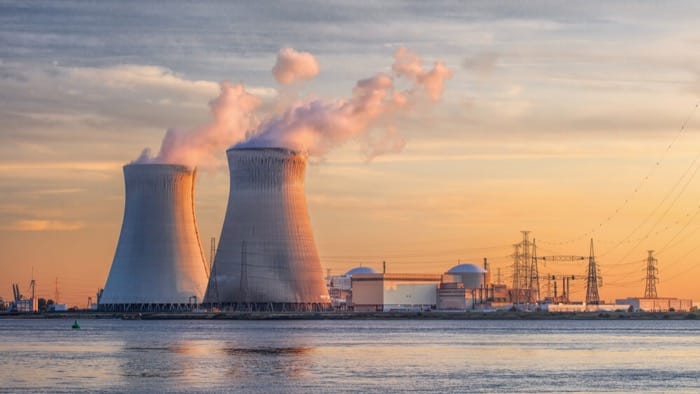
On October 10, 1957, the Windscale nuclear reactor plant in Cumbria, England, experienced what would become Britain's worst nuclear disaster. At the time, the facility's primary purpose was generating plutonium for the UK's atomic hydrogen bomb program. The first batch of explosive material produced there had already been used for Britain's inaugural atomic weapons test, carried out in Australia on October 3.
How The Fire Started
Two nuclear reactors operated at the Windscale plant. During what should have been a routine heating cycle of the first reactor, the graphite control block spiraled out of control, causing the uranium cartridges nearby to rapture. This rapture led to the released uranium beginning to oxidize, sending radioactive debris into the surroundings and sparking a fire. The blaze raged fiercely for more than 16 hours before crews finally managed to extinguish it.
The Aftermath
In the wake of the disaster, roughly ten tons of radioactive energy remained trapped within the reactor core. But the consequences stretched far beyond the plant itself — significant quantities of radioactive iodine escaped into the atmosphere. The contamination was so severe that milk produced anywhere within a 200-square-mile radius of the facility was banned from sale.
Over time, the radioactive fallout took a grim human toll, ultimately contributing to more than 190 cancer cases. Of those, over 100 proved fatal.
A Second Fire?
Years later, something unusual began drawing attention when approximately 2,000 to 3,000 workers from both Calder Hall and Windscale were sent home. Security guards took up positions at the gates of both Windscale and Cedar, though curiously, no restrictions were placed on the fences themselves.
The cause soon became apparent. Temperatures inside the uranium cartridges had climbed to 500 degrees centigrade — nearly twice the normal operating temperature. This triggered rapid oxidation of the uranium, which in turn produced radioactive particles in vapor form that escaped upward through the filters sitting atop the chimney.