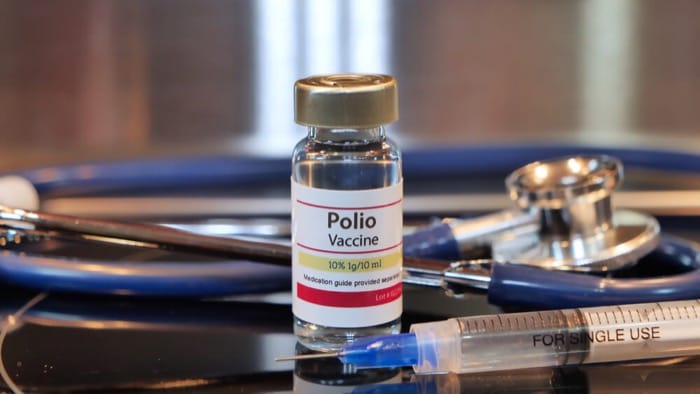
Though Jonas Salk's name might be the first that comes to mind when people think of the polio vaccine, it was actually a different researcher whose formulation would go on to achieve far greater use across the globe. On this day in history, Albert Sabin unveiled his oral polio vaccine, a development that would eventually rank among the most widely administered oral vaccines the world has ever seen.
There was a time when polio struck terror into communities everywhere, its devastating effects giving rise to the notorious "iron lung." This device could extend the lives of those afflicted, but it also became a grim symbol of the disease — trapping patients in forced immobility that horrified the public. The arrival of Jonas Salk's vaccine was therefore met with worldwide elation, and Albert Sabin's complementary breakthrough only served to make protection against the virus even more widely available.
Sabin's vaccine showed tremendous promise right from the beginning, and it's not hard to understand why — even though it wouldn't be officially embraced as the worldwide standard for polio immunization until 1961. Its effectiveness at preventing polio outpaced alternatives, boasting superior prevention rates. On top of that, taking it couldn't have been simpler: a single oral dose was all it required, delivered as what was essentially a cherry-flavored sugar cube that was even supposed to taste good. Perhaps most appealing of all, no follow-up boosters were needed — one dose provided protection that would last a lifetime.
Still, nothing lasts forever. Over time, evidence emerged that Sabin's vaccine could actually trigger cases of paralytic polio, prompting the US to revert to the Salk vaccine. That said, much of the world still relies on Sabin's formulation, given its greater effectiveness at curbing the spread of polio.