
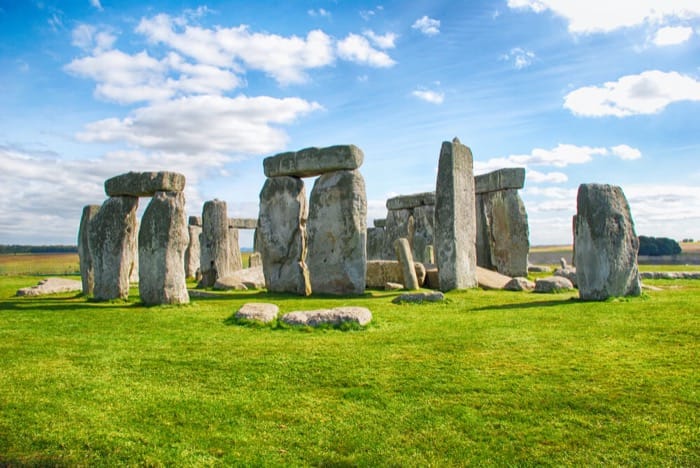
Few monuments capture the imagination quite like Stonehenge — a Unesco World Heritage site shrouded in mystery and steeped in ancient significance. Situated on Salisbury Plain, this remarkable stone circle holds the distinction of being the most important monument in England under the British government's care.
But government ownership of Stonehenge wasn't always the case. For a time, this legendary landmark belonged to one man: Sir Cecil Chubb. On September 21, 1915, Chubb walked into an auction and walked out having purchased Stonehenge from the Antrobus family for £6,600 (about £680,000 or $934,000 today). At that point,
the ancient stone circle formed part of the Antrobus family's Wiltshire Amesbury Abbey estate.
What drove Chubb to make such an extraordinary purchase? The full story remains murky, though it's believed he acquired the megalithic monument as a gift for his wife. There's also a competing explanation: that Chubb, a patriotic Englishman, feared a wealthy American might swoop in and snatch up the opportunity to own Stonehenge. One thing that is known, however, is that the decision was largely an impulsive buy on Chubb's part.
For about three years, Chubb held the remarkable distinction of being Stonehenge's proud owner. Then, as World War One drew to a close, he handed the monument over to the British government at no cost. His donation carried specific stipulations: locals were to be granted free access to Stonehenge, while non-locals would need to pay a small entry fee.
In recognition of this extraordinarily generous act, Prime Minister David Lloyd George conferred upon Chubb the title of First Baronet of Stonehenge. The title later passed to Chubb's son, Sir John Cecil, who became the Second Baronet of Stonehenge. Because Cecil did not have an heir, the baronetcy of the ancient monument came to an end with his death.