
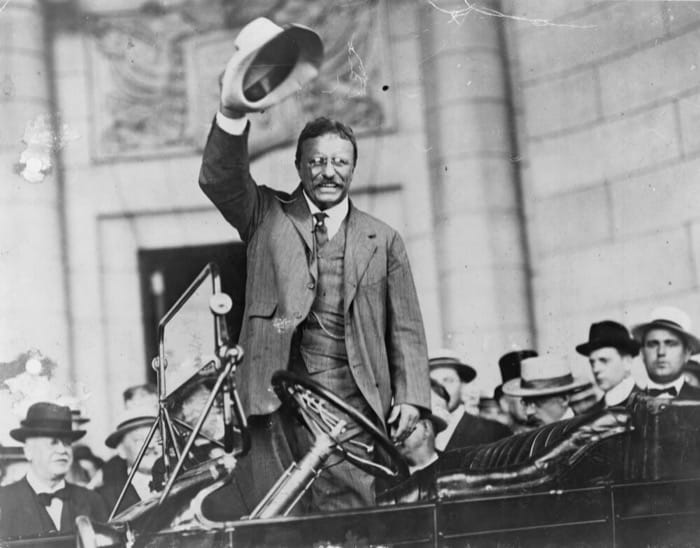
Following the assassination of President William McKinley, Theodore Roosevelt took the presidential oath on September 14th, 1901, stepping into the role of the 26th president of the United States. At just 42 years old, he held the distinction of being the youngest person to assume the presidency. Remarkably, this marked the fifth non-scheduled inauguration of its kind in the 20th century.
From an early age, Roosevelt showed a keen passion for the political arena. At only 23 years, he won a seat in the New York State Assembly running as a Republican, making him the youngest lawmaker in the state. Tragedy struck in 1884 when both his wife and mother passed away, prompting him to step away from public life and withdraw to his ranch in Dakota Territory.
Roosevelt made his political comeback in 1886, though he fell short in his bid to become New York City's mayor. Two years later, in 1898, he secured election as the city's governor. When McKinley won the 1900 presidential election, Roosevelt served alongside him as the vice president and running mate. After McKinley succumbed to gunshot wounds, Roosevelt was sworn into the nation's highest office.
Beyond his youth and physical vigor, Roosevelt proved himself a remarkable leader and high achiever. His administration took on the tensions between corporates and labor head-on. He carved out a lasting legacy through the antitrust actions he spearheaded against monopolist corporations. His commitment to the natural world earned him a sterling reputation as a conservationist — he set aside more than 200 million acres dedicated to reserves, national forests, and wildlife refuge centers.